

Key points
- A Texas mediated settlement agreement with the required non-revocation statement and signatures is binding, and a party is entitled to judgment on it.
- A mediator cannot make decisions for you; arbitration is the process where a neutral decides.
- Mediation communications are confidential under Texas Civil Practice and Remedies Code § 154.073.
- If mediation fails, the case continues to court and nothing said in mediation can be used against you.
- Child-related terms can later be modified if circumstances change, but a property division generally cannot.
Can we reach a legally binding agreement through mediation?
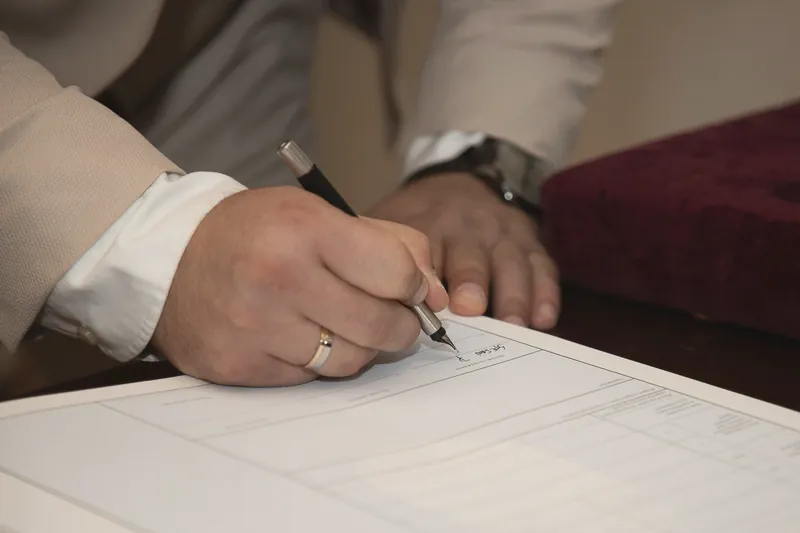
Yes. Under Texas Family Code § 6.602(b) for divorce and § 153.0071(d) for custody and support, a mediated settlement agreement is binding if it meets three requirements.
- It contains a prominently displayed statement, in boldfaced type, capital letters or underlined, that the agreement is not subject to revocation.
- It is signed by each party.
- It is signed by each party's attorney, if any, who is present when it is signed.
If those requirements are met, a party is entitled to judgment on the agreement, notwithstanding Texas Rule of Civil Procedure 11 or another rule of law (§ 6.602(c), § 153.0071(e)). In plain terms, a spouse who has second thoughts the next day cannot simply back out.
Can a mediation agreement be changed after it's signed?
Generally no, not by one spouse alone. Once a qualifying mediated settlement agreement is signed, the court is required to enter judgment on it, with narrow exceptions.
The most important exception is for children. Under § 153.0071(e-1), a judge may decline to enter judgment on a custody agreement if a party was a victim of family violence that impaired their ability to make decisions, or the agreement would allow a registered sex offender or a person with a history of abuse into the child's home or unsupervised contact, and in either case the agreement is not in the child's best interest. Both spouses can also agree together to change terms before the decree is signed.
After the decree, the rules split. Conservatorship, possession and child support can be modified later when circumstances have materially and substantially changed (Texas Family Code § 156.101 and the child support rules). A division of property in a final decree generally cannot be modified. See custody modification and enforcement.
What happens if we agree on some issues but not everything?
You can sign a partial mediated settlement agreement on the issues you resolved and take only the remaining issues to the judge. A partial agreement that meets the statutory requirements is just as binding as a full one for the issues it covers.
Partial agreements are valuable. Settling the property division but not the possession schedule, for example, means a shorter trial, less expense and less risk. Make sure the agreement says clearly which issues are settled and which are left open.
Think about how the pieces connect before signing a partial deal. Property, maintenance and child support often trade off against each other: who keeps the house can depend on who has the children most of the time, and how retirement accounts are split can depend on who takes which debts. Settling one piece in isolation can limit your options on the others, which is one reason to have a lawyer review a partial agreement before you sign it.
Can a mediator make decisions for us if we can't agree?
No. A mediator has no power to decide anything in your case and does not report to the judge on who was reasonable.
If you want a neutral to decide, that is arbitration. Texas law allows spouses to agree to arbitrate a divorce, and § 153.0071(a) allows parents to agree to binding or non-binding arbitration of custody issues, subject to the court's review of the child's best interest. John B. Polk handles cases through negotiation, mediation, arbitration or trial.
What a good mediator can do is help you see the likely range of outcomes. By asking hard questions in private, the mediator lets each spouse weigh a proposal against the risk, cost and delay of letting a judge decide, without anyone being bound until both sign.
What if my spouse refuses to compromise during mediation?
The mediator will test that position privately, and if your spouse still will not move, the mediation ends at impasse and the case continues toward court. Nobody can be forced to settle.
A refusal is not always final. Mediators often help a rigid spouse see what a judge would likely order, what trial would cost and how long it would take. Sometimes a deal comes together late in the day, and sometimes a second session after more information is exchanged works better. Bring realistic proposals of your own, and let the mediator carry them.
Is divorce mediation private in Texas?
Yes. Texas Civil Practice and Remedies Code § 154.073 makes communications in mediation confidential, so they cannot be used as evidence against a participant in court, and the mediator generally cannot be required to testify.
There are limits. Facts or documents that are discoverable on their own do not become secret just because they were shown at mediation, and the duty to report child abuse or neglect still applies. The final signed decree is filed with the court.
Confidentiality is one of the main reasons families choose mediation over trial. In a courtroom, testimony about finances, health and parenting happens in public. In mediation, the same subjects can be discussed openly without that testimony becoming part of a public record.
What happens if mediation fails and we still need court?
The case goes back on the court's track toward hearings and a final trial, and nothing you said in mediation can be used against you there.
A failed mediation is rarely wasted. Both sides now know the other's priorities, the issues are usually narrower, and settlement talks often continue between the lawyers. If the case does go to trial, you need a lawyer prepared to try it. See contested divorce, and call 214-599-2020 to talk with John B. Polk.
More questions
Does the judge have to approve a mediated settlement agreement?
The judge signs the final decree based on the agreement. If the agreement meets Texas Family Code § 6.602 or § 153.0071, a party is entitled to judgment on it. For child-related terms, a judge may decline in the narrow family-violence and child-safety situations in § 153.0071(e-1).
Can I back out of a mediated agreement before the divorce is final?
Generally no, if the agreement has the required non-revocation statement and signatures. Changing your mind alone is not enough. Both spouses can agree to change it, and narrow exceptions exist for agreements tainted by family violence or that endanger a child.
Is anything I say at mediation used in court?
No, mediation communications are confidential and cannot be used as evidence against you under Texas Civil Practice and Remedies Code § 154.073. Documents that are discoverable anyway can still be obtained through normal discovery. The duty to report child abuse is not affected.
This guide is general information about Texas law as of November 6, 2026, not legal advice. Laws change and every family's facts are different; talk to a lawyer about yours.
Related guides
 MediationCollaborative Divorce vs. Mediation in TexasCollaborative divorce and mediation both keep you out of court, but they work differently. Here is how to choose, and when neither fits.
 MediationWhat Happens at a Divorce Mediation in DallasWhat the first divorce mediation session looks like, what documents to bring, how long it takes and whether you need a lawyer in the room.
 Co-parentingParenting Facilitator vs. Parenting Coordinator in TexasBoth help high-conflict co-parents follow their order. One works in confidence, the other can report and testify. Here is how each works in Texas.